In many buildings, analog speakers still handle daily paging. A central amplifier feeds dozens of ceiling speakers, and the system has probably been running for years without major changes.
At the same time, new projects are moving in a different direction. VoIP phones, access control, and CCTV already sit on the IP network. Audio is starting to follow. More facilities are choosing IP speakers that connect directly to the LAN and integrate with SIP servers.
So the question becomes practical: IP speakers vs. analog speakers—which one actually makes sense today? Is an upgrade from analog to IP worth planning, or does the existing PA structure still fit the job?
The answer usually comes down to architecture, scalability, cost over time, and how much flexibility the building will need in the future. Let’s break it down in a way that reflects real project decisions.
What Is an Analog Speaker in a Traditional PA System?
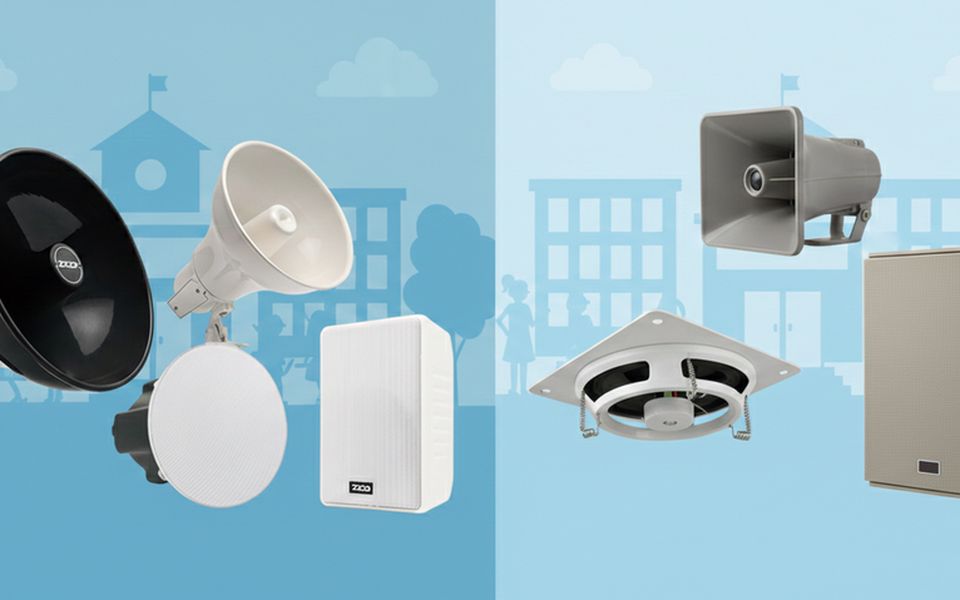
An analog speaker in a traditional PA system works in a centralized way. A rack-mounted amplifier sends audio through 70V or 100V lines to passive speakers installed across the building. The speakers themselves have no built-in amplification. They depend entirely on the central amplifier.
This setup is simple and predictable. For small or single-zone environments, it works well. If paging requirements rarely change, the system can stay stable for years.
However, expansion depends on amplifier capacity and wiring paths. When additional zones are needed, more hardware has to be added. Troubleshooting also stays physical. If a line fails, someone has to trace cables and test connections manually.

What Is an IP Speaker in a Modern IP PA System?
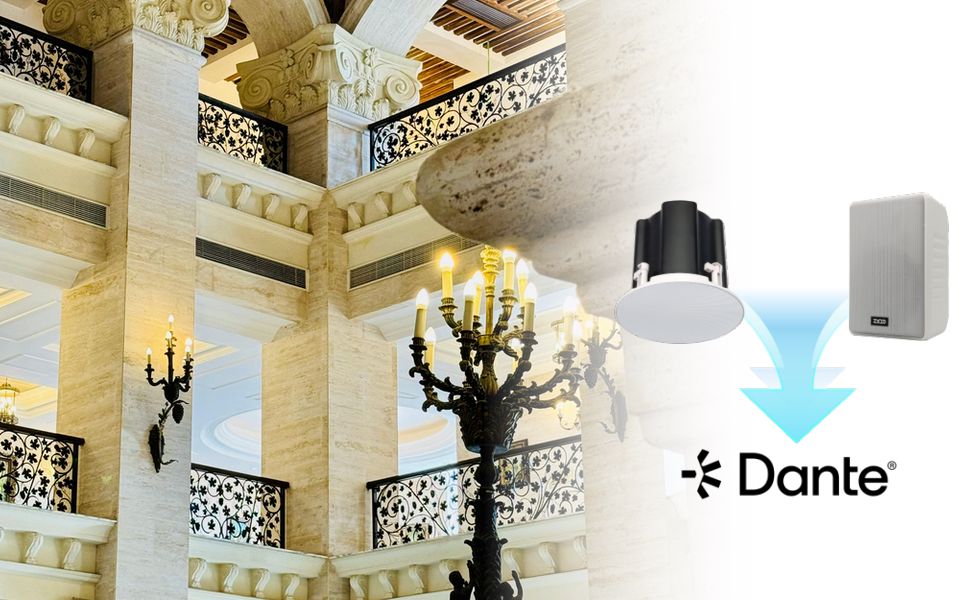
An IP speaker works as a network endpoint. It connects to the LAN using standard Ethernet cabling, often powered by PoE. Each device has its own IP address and usually communicates using SIP, similar to a VoIP phone.
Instead of sending amplified audio from one central rack, digital audio packets travel over the network. The speaker receives the stream and amplifies it locally. This creates a distributed architecture. Each endpoint operates independently but remains centrally managed through software.
In practice, that changes how paging works. Speakers can be grouped remotely. Volume can be adjusted per zone. Device status can be monitored in real time. If one unit goes offline, it shows up immediately in the system interface.
When integrated with an IP PBX or IP audio server, like those commonly deployed in unified communication environments, IP speakers become part of the broader IP PA system. They don't sit outside the network. They operate inside it.
That shift from rack-based control to software-based management is the core difference between analog speakers and IP speakers.
IP Speakers vs Analog Speakers: Key Technical Differences
Once you move past definitions, the real discussion starts with structure. On paper, both IP speakers and analog speakers deliver paging audio. In practice, they behave very differently once you scale them across multiple zones or buildings.
Architecture for IP Speakers and Analog Speakers
Features | Analog Speaker | IP Speaker |
|---|---|---|
Signal type | Analog audio signal | Digital audio signal |
Amplification | Centralized amplifier | Built-in amplifier |
Control | Hardware-based selectors | Software-based management |
Monitoring | No real-time status feedback | Remote monitoring & diagnostics |
In an analog setup, your system's intelligence is locked in a physical rack—if the amp fails, the zone dies. Moving to IP turns every speaker into a manageable IT asset. This distributed intelligence means you can reconfigure zones, adjust sensitivity, and monitor device health via software, effectively shifting your workload from manual hardware troubleshooting to streamlined network management.
Installation & Cabling for IP Speaker vs. Analog Speaker
Aspect | Analog Speaker | IP Speaker |
|---|---|---|
Cable type | Audio cable (often 70V/100V line) | Ethernet cable (Cat5e/Cat6) |
Distance limitations | Voltage drop over long runs | Network switch-based extension |
Integration with LAN | Separate from data network | Direct LAN integration |
Power supply | External amplifier power | PoE or local power |
Modern paging should leverage your IT investment, not compete with it. Traditional 70V wiring is a "dark asset" that only does one thing. By adopting IP speakers, you use standard Category cabling and PoE, treating audio just like another VoIP phone or IP camera, eliminating the need for specialized high-voltage cable runs and bulky external power supplies, and reducing on-site labor hours and material waste during the rollout.
Cost & Scalability: Is an IP Speaker More Cost-Effective Than Analog
Cost Factor | Analog Speaker | IP Speaker |
|---|---|---|
Initial cost | Lower speaker price, amplifier required | High per-unit price |
Labor cost | Complex wiring & amplifier setup | Simple cabling |
Expansion cost | Additional amplifiers & rewiring | Add endpoints to network |
Maintenance cost | Manual fault tracing | Remote diagnostics |
Long-term ROI | Limited | Higher scalability |
Don't let the sticker price distract you from the Total Cost of Ownership (TCO). While analog speakers have a lower per-unit cost, their "scalability ceiling" is low—adding even a few speakers often forces an expensive amplifier upgrade or disruptive rewiring. IP systems offer a "pay-as-you-grow" model. The higher upfront investment is quickly offset by near-zero expansion costs and the ability to perform remote diagnostics, which drastically reduces long-term maintenance truck rolls.
Choosing Between IP Speakers and Analog Speakers
After comparing structure, cabling, and cost, the real decision usually comes down to context. Every site runs differently. Some buildings are stable and rarely change. Others grow fast or need tighter integration with other systems. That’s where the gap between analog speakers and IP speakers becomes clearer.
When Analog Speakers Are Still a Practical Choice
Analog speakers still make sense in small, single-zone buildings. A warehouse office, a small workshop, or a standalone store with basic paging needs may not require a full IP paging system. If there’s already a working amplifier and the coverage area won’t expand, keeping the existing analog PA system can be the simplest path.
Budget also plays a role. In projects with tight cost control and no network infrastructure in place, analog speaker deployment can feel more straightforward with no need to plan VLANs or configure endpoints. For limited expansion needs, a traditional setup can remain stable for years without major changes.
When IP Speakers Provide Long-Term Advantages
The advantages of IP speakers show up in projects that demand flexibility and centralized control.
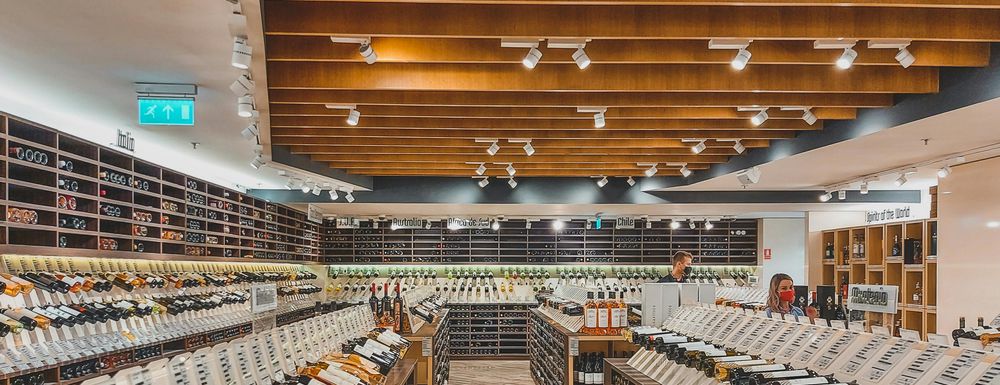
Large Retail & Supermarkets
In large retail chains or supermarkets, announcements often need to be managed across multiple branches. With ZYCOO's IP paging system, audio can be triggered from a central location and delivered to selected stores or departments. Volume levels can be adjusted remotely. If a branch layout changes, you simply reassign groups in the software. There's no need to rewire amplifiers.
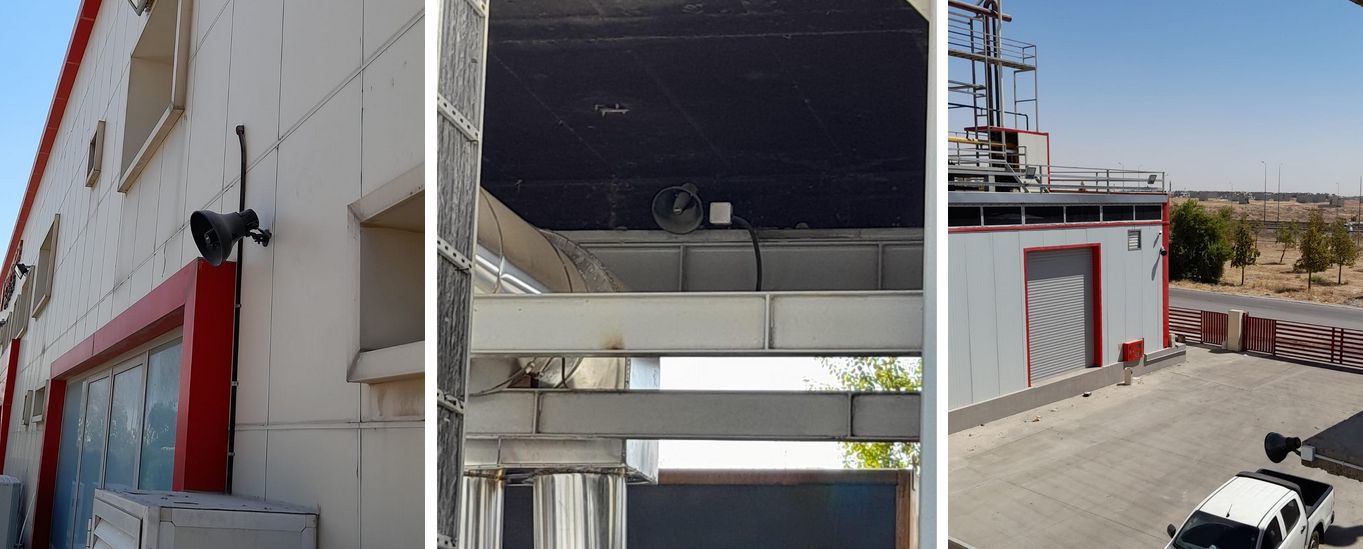
Industrial Facilities & Warehouses
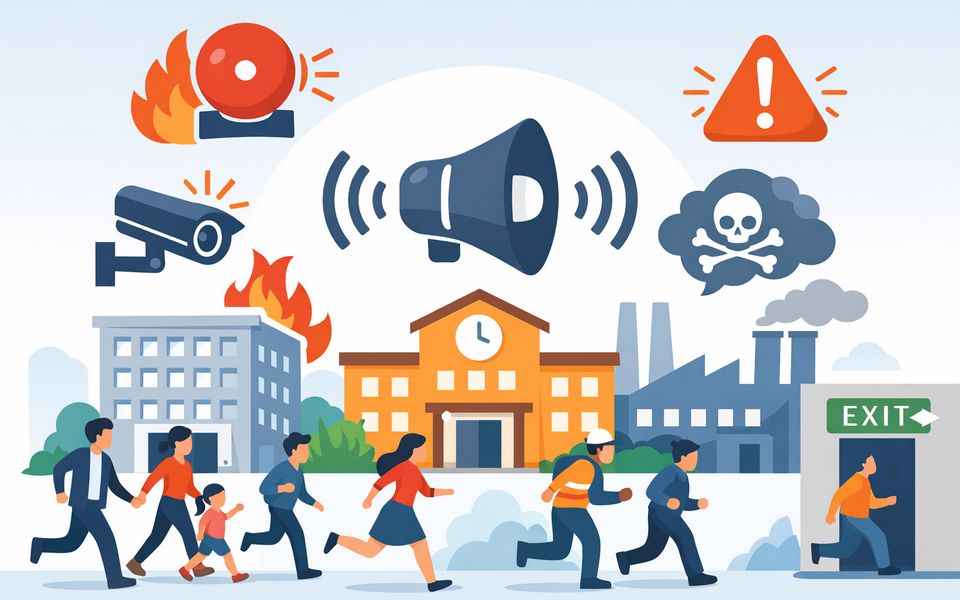
Industrial facilities and warehouses often require a zoned emergency broadcast. One area may need evacuation alerts while another continues normal operation. IP speakers allow precise grouping and real-time control. When combined with SIP speaker integration into an IP PBX, paging becomes part of the broader communication workflow. Calls, alerts, and announcements can share the same network backbone.
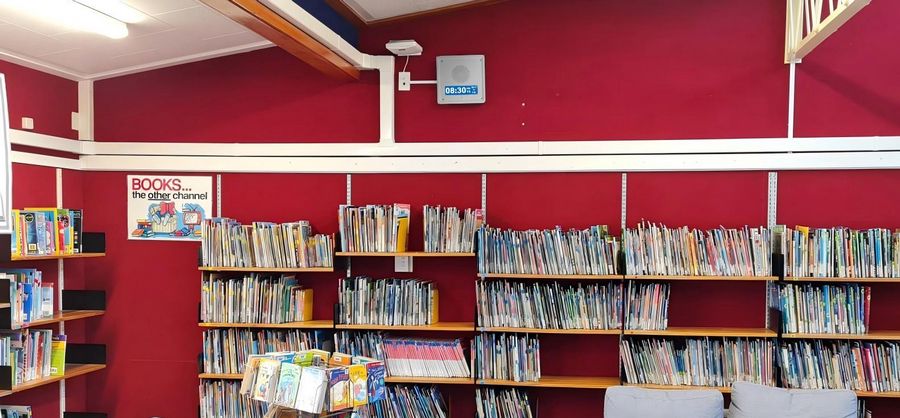
Schools & Campuses
Schools and campuses face similar challenges. Multiple buildings, separate floors, and different schedules create complex audio requirements. IP speakers can handle scheduled announcements, class change signals, or event notifications without manual switching between hardware zones. Adding a new building to the network usually means extending the LAN and registering new endpoints, not replacing amplifier racks.
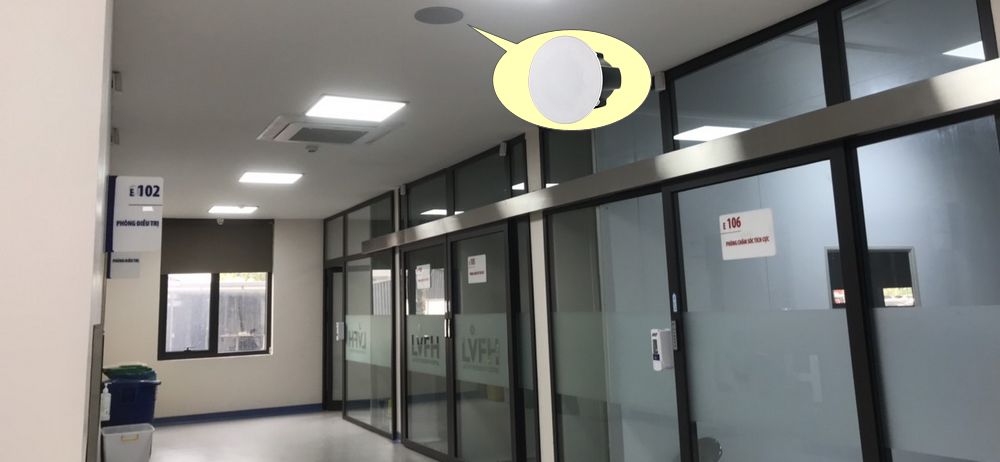
Healthcare Facilities
Healthcare facilities push the need for integration even further. Here, audio often ties into VoIP systems or nurse call workflows. Emergency notification compliance matters, and response speed is critical. An IP speaker system can integrate with SIP servers and trigger alerts automatically when certain events occur. That level of coordination is difficult to achieve with isolated analog lines. Over time, these scenarios highlight where IP speaker advantages become practical. When growth, integration, and remote control are part of daily operations, a network-based approach tends to align better with the rest of the infrastructure.
Migration Strategy: From Analog to IP in 3 Steps
Upgrading to an IP PA system doesn't require a complete replacement of the existing system. A phased migration protects your initial investment while introducing modern flexibility.
The Hybrid Bridge: Use ZYCOO's SIP Paging Gateways to link existing analog amplifier zones to your new IP PBX or SIP server. This allows you to manage legacy speakers via the network immediately.
Strategic Expansion: Deploy native IP speakers in new building wings or remodeled floors. These connect directly to the LAN, running side-by-side with your bridged analog zones.
Full Transition: Gradually replace aging analog components with IP endpoints. This "floor-by-floor" shift minimizes downtime and spreads the hardware budget over multiple fiscal years.
Pro Tip: When planning, prioritize VLAN tagging for audio traffic and ensure your switches support PoE (802.3af/at) to eliminate external power supplies during the rollout.
Conclusion: Why Move from Analog Speakers to IP Speakers
The shift from analog speakers to IP speakers follows a broader digital transformation trend. Voice, paging, and alerts are no longer isolated systems. They’re expected to integrate with unified communication platforms, VoIP infrastructure, and smart building controls.
IP speakers fit naturally into that direction. They scale with the network, integrate with SIP servers, and adapt to new layouts without major rewiring. Over time, long-term scalability and system visibility tend to outweigh the simplicity of traditional analog PA systems.
FAQs
Q1: Can analog speakers be converted to IP speakers?
Analog speakers themselves don’t become IP devices, but they can connect to an IP network through SIP gateways or IP audio adapters. This allows centralized control without removing existing speakers immediately.
Q2: Can IP speakers work outdoors?
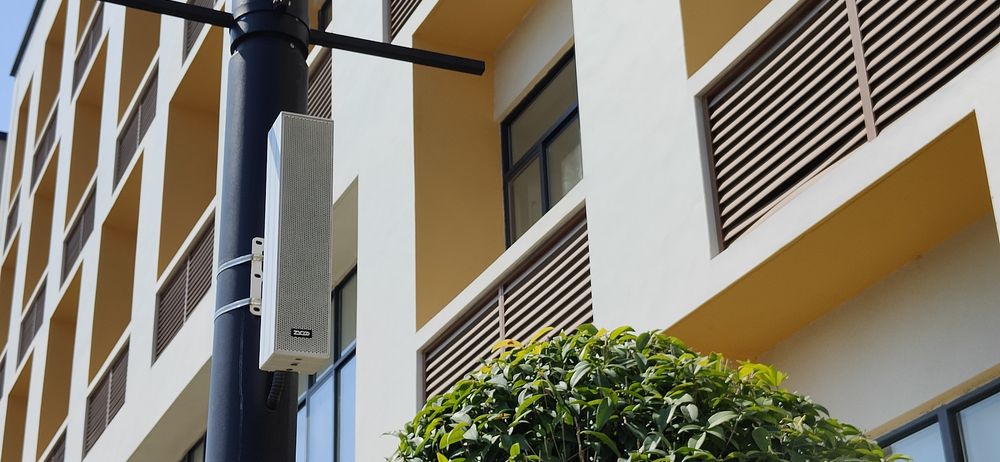
Yes. Many IP speakers, like ZYCOO's SH30 horn speakers, are designed with weather-resistant enclosures for outdoor use. Proper IP rating and installation planning are important for long-term reliability.
Q3: Are IP speakers more expensive than analog speakers?
The unit price of an IP speaker can be higher. However, when factoring in cabling, labor, maintenance, and total cost of ownership, the difference often narrows over time.
Q4: Can analog and IP speakers coexist in one system?
Yes. A hybrid paging system can combine analog and IP speakers using gateways or mixed control platforms. This setup is common during phased upgrades.
Q5: What are the main advantages of IP speakers over analog speakers?
IP speakers offer network-based control, remote monitoring, easier scalability, and SIP speaker integration with VoIP systems. They also simplify multi-site paging and zoned broadcasting.