Education
Creating Safer Learning Environments with Smart Innovations



A Public Address (PA) system is a foundational communication infrastructure for modern facilities. Whether delivering background music in retail environments, broadcasting emergency evacuations in industrial parks, scheduling automated bells in educational institutions, or providing real-time guidance at transportation hubs, a reliable PA system is the audio backbone that connects operational efficiency with public safety.
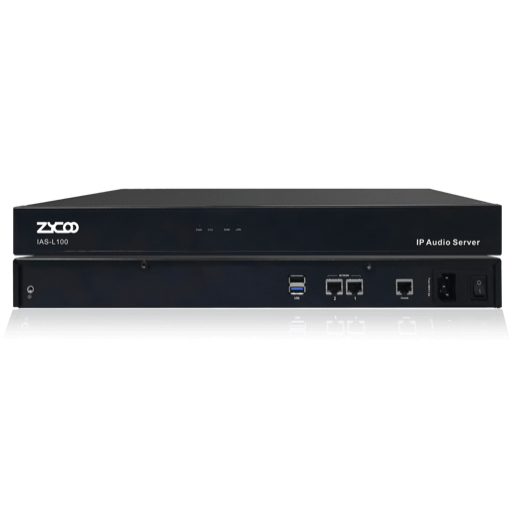
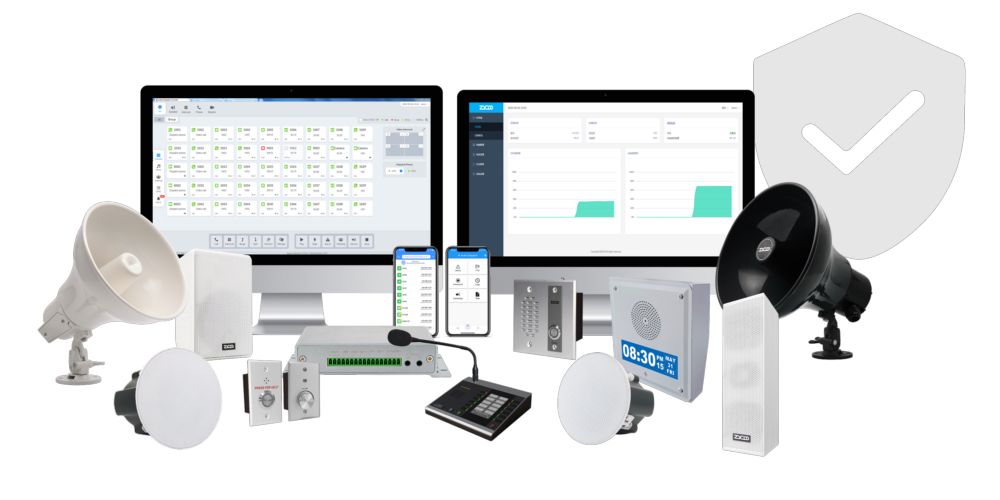
ZYCOO's IP Public Address and Music Solution is built on standard IP infrastructure, with the IP Audio Center serving as the centralized management node. The architecture supports enterprise-grade High Availability (HA) Hot Standby, where primary and backup servers synchronize in real time to eliminate single points of failure. At the network layer, Multicast technology enables synchronized, low-latency audio distribution across complex topologies, while SIP and ONVIF protocols provide unified endpoint bridging.

For edge deployment, IP speakers, Network Microphone Consoles, and Network Intercoms connect via native SIP or serverless Peer-to-Peer (P2P) architectures—enabling flexible deployment at any scale, from a single-site campus to a multi-building industrial campus. Whether managing routine music schedules or executing mass emergency notifications, the system delivers consistent, uninterrupted performance across the entire facility.

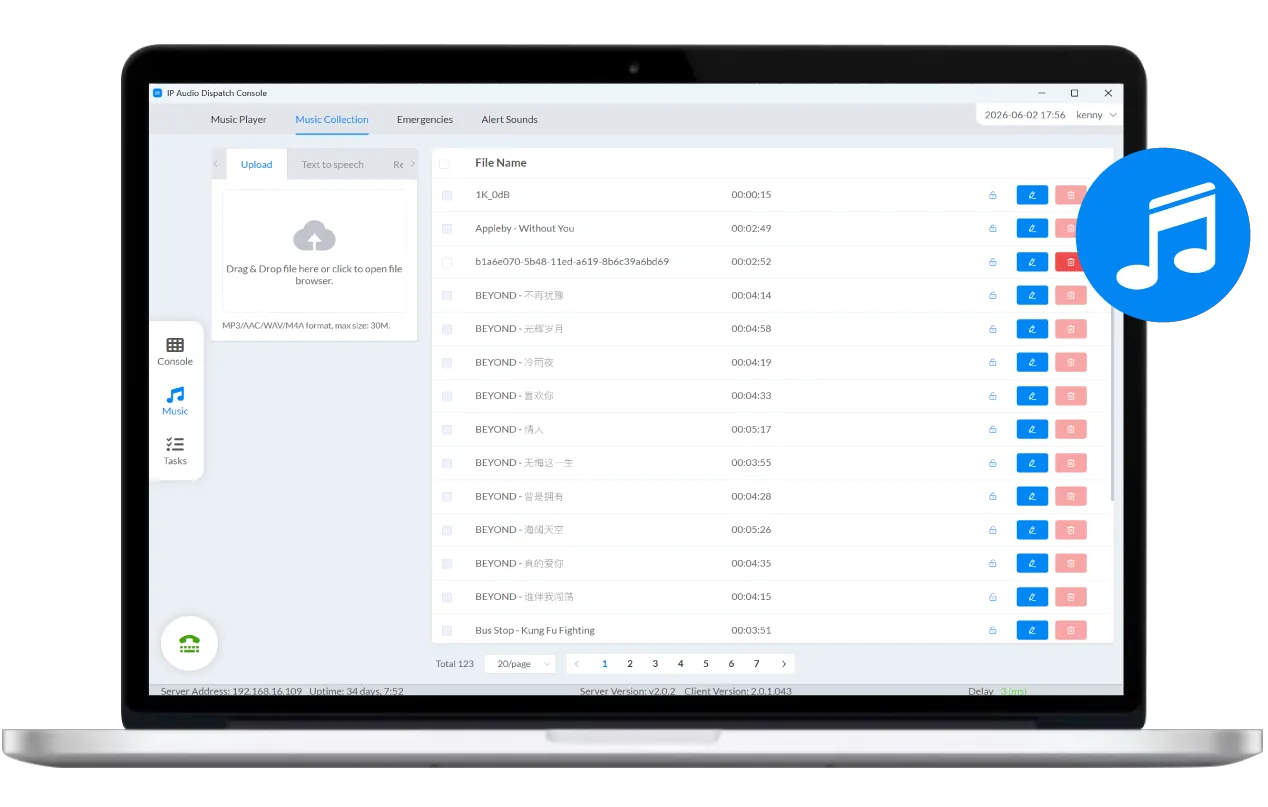
Stream high-quality background music continuously to selected zones across the facility. The system supports multi-format audio playback (MP3, AAC, WAV, M4A) and allows multiple dispatch users to share a centralized music library. Playlists can be assigned to individual zones or broadcast facility-wide, with full volume and playback control available from the dispatch console.
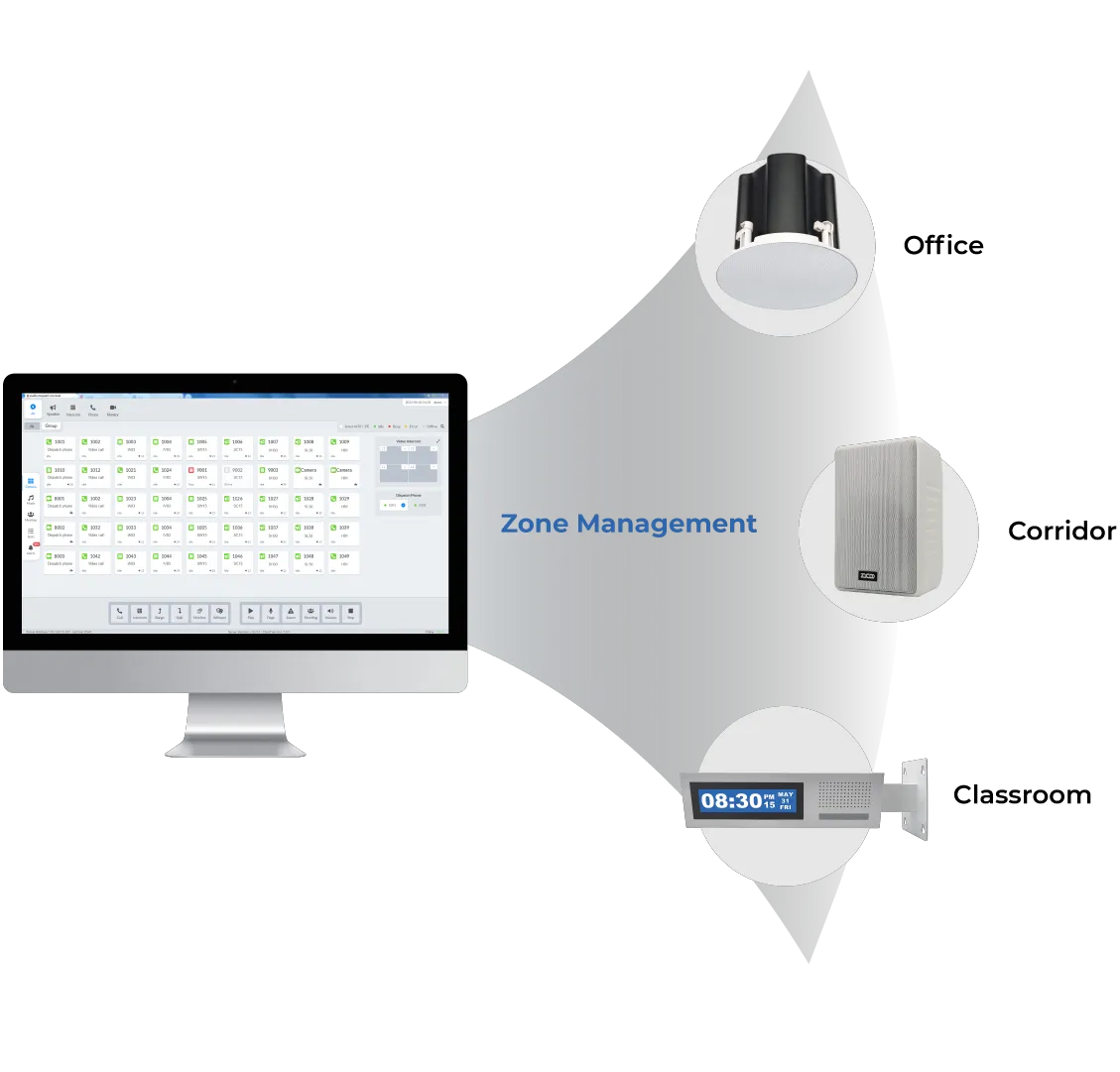
Dispatchers can initiate targeted live voice paging to specific floors, departments, or zones using the M100 Network Microphone Console or the IP Audio Dispatch Console — without causing audio disruption in adjacent areas. Pre-announcement chime configurations ensure messages are delivered clearly and with appropriate notice.
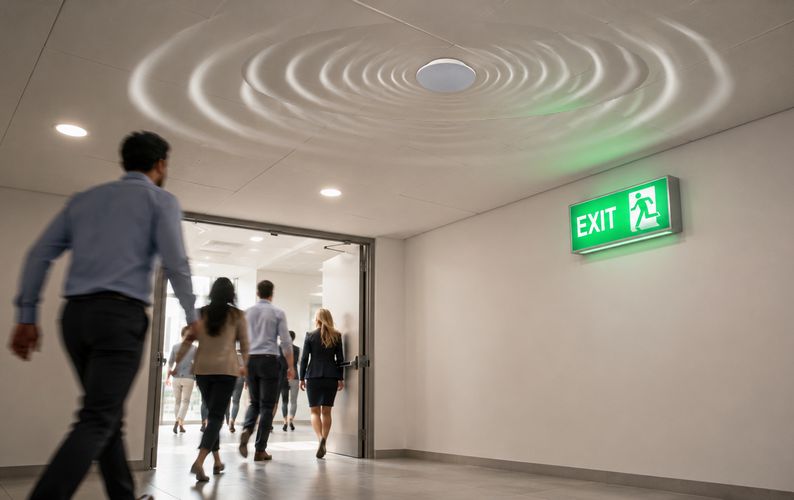
The emergency notification module allows operators to instantly select affected zones and trigger preset alert tones or sirens, with support for sequential multi-file playback per event. The Digital Map Mode enables dispatchers to upload floor plans or GIS layouts, plot endpoint icons at their physical locations, and execute visual marquee selection or single-icon triggering for rapid mass notifications — significantly reducing response time under pressure. Auxiliary safety asset icons (AEDs, fire extinguishers, first-aid stations) can also be mapped for immediate guidance.
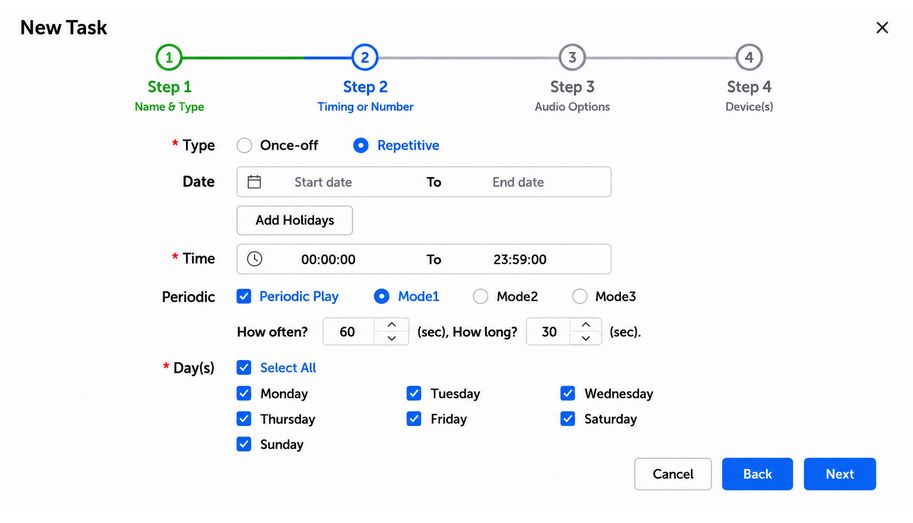
The built-in task scheduler enables administrative staff to configure one-time or recurring broadcast tasks like morning bells, shift change tones, lunch reminders, and visiting-hour prompts, without manual intervention. Schedules support precise start/end date control, day-of-week patterns, and holiday skip. Audio sources include music library files, Text-to-Speech (TTS) output, pre-recorded voice clips, and alarm tones.
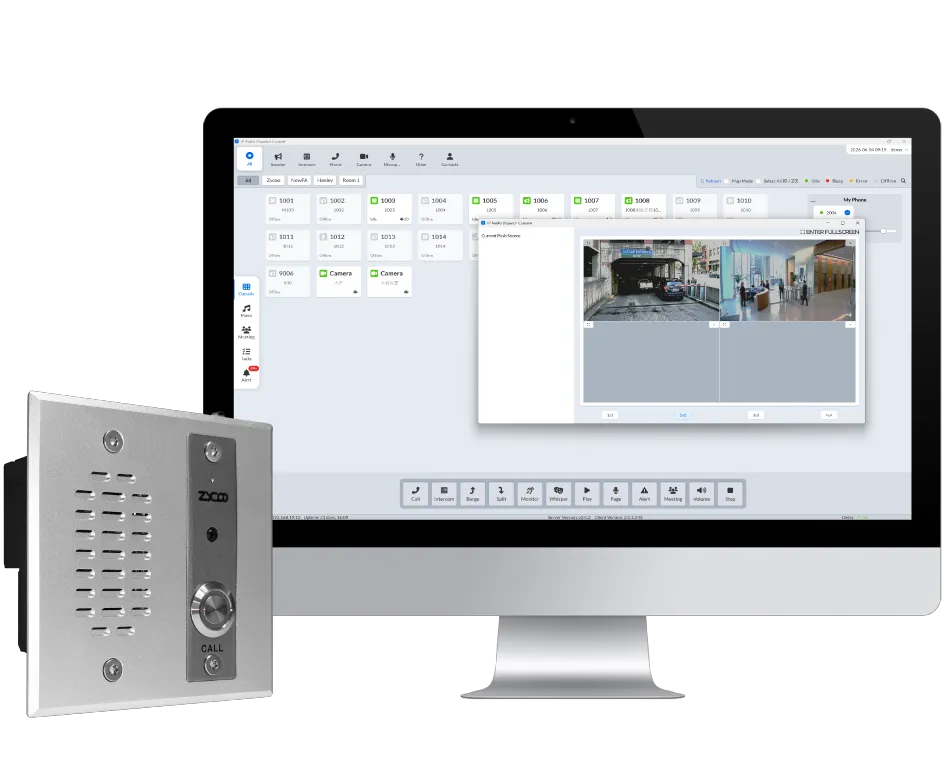
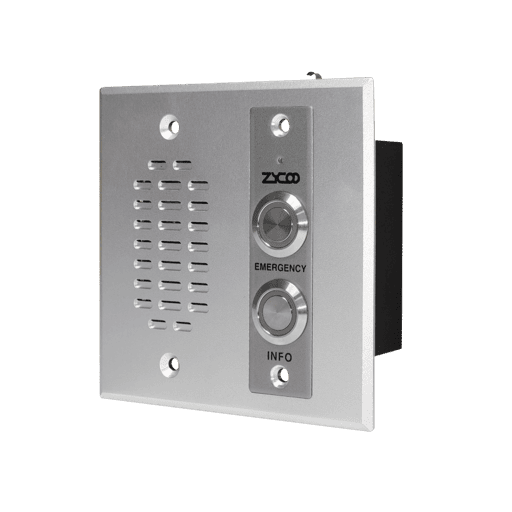
For access points, loading docks, and remote facility gates, the system supports remote two-way intercom communication between field terminals and security hubs. ZYCOO's VI-V05 video intercom endpoints add HD camera support for visual identification, enabling integrated access control and real-time operational dispatch from a single interface.
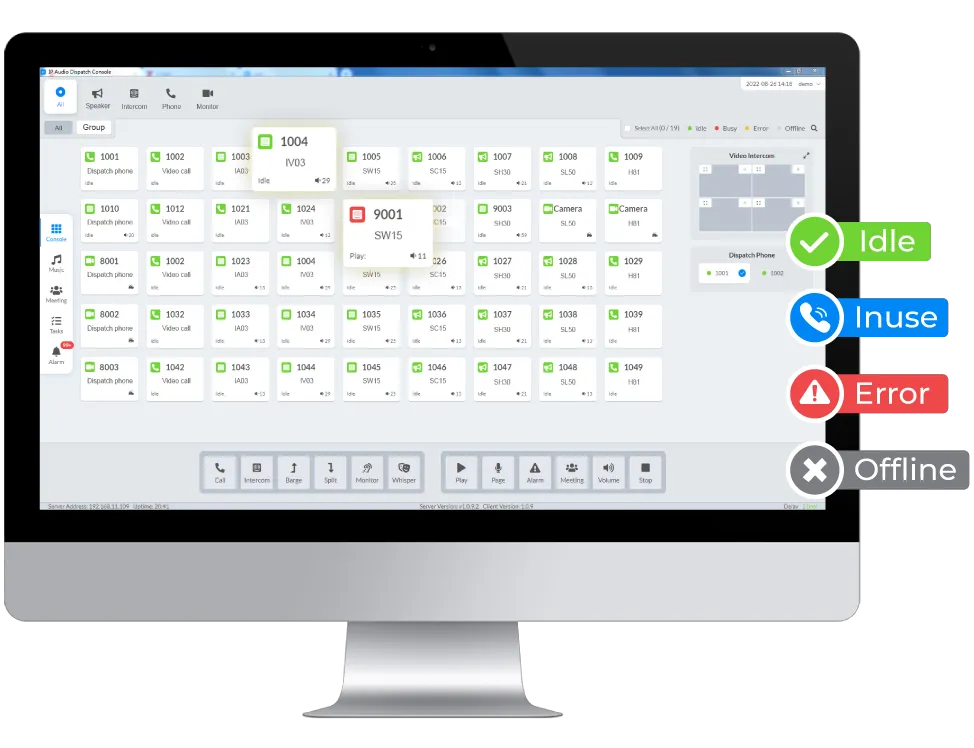
The IP Audio Center's management interface provides real-time visibility into every connected device across the network. Endpoints are categorized by status — Idle, In-Use, Error, or Offline — allowing administrators to instantly identify and troubleshoot malfunctions, ensuring the reliability of the entire paging and intercom infrastructure.
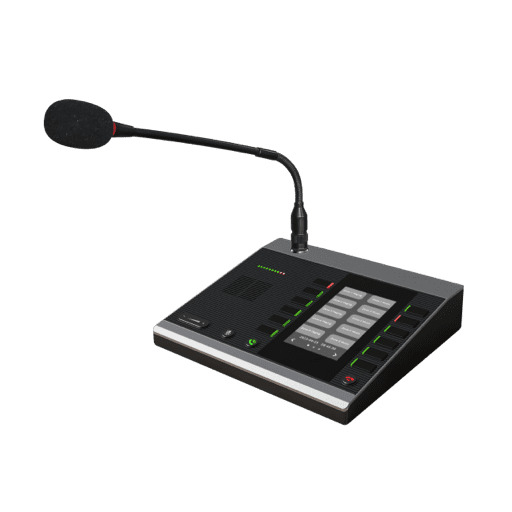
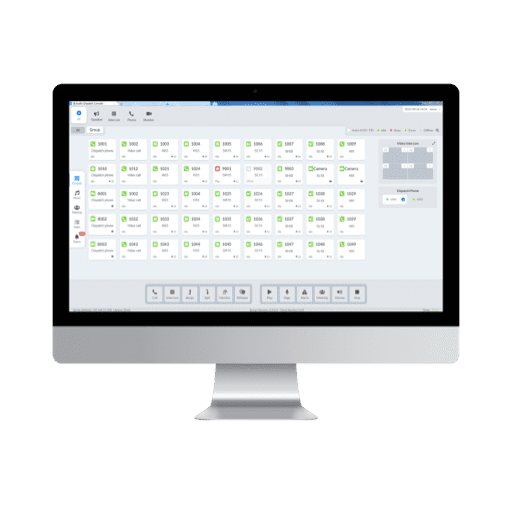

Retail complexes and shopping malls require an acoustic environment that balances ambient atmosphere with clear operational communication. ZYCOO's solution enables operators to stream continuous background music to selected zones while reserving the ability to execute floor-specific promotions, tenant announcements, or emergency alerts through targeted zone paging. Music library access is shared across all dispatch users, and live voice paging from the M100 console or IP Audio Dispatch Console reaches only designated areas without disturbing adjacent zones.
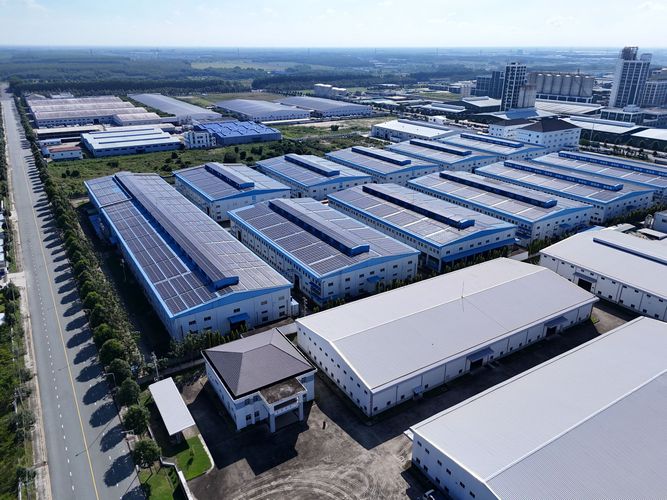
Large manufacturing facilities, warehouses, and business parks spanning multiple buildings demand rapid, reliable communication for workflow coordination and operational safety. Through the SIP calling feature, dispatchers can initiate live paging to specific endpoints or defined zones from a centralized directory. For secure perimeter points and loading docks, the system establishes bi-directional intercom links between field terminals and security hubs, enabling real-time access control and operational dispatch without radio dependency.

Schools, universities, and healthcare facilities rely on precise, repeatable scheduling for class period indicators, shift handovers, and daily reminders. The intelligent task scheduler automates these broadcasts completely — referencing holiday calendars, applying weekly patterns, and drawing audio from TTS engines, music libraries, or pre-recorded clips — eliminating the manual workload on administrative staff and ensuring consistent delivery every day.

When fires, severe weather, or security incidents occur, response speed is directly tied to the outcome. The system enables instant zone selection and siren/alert activation. Its Digital Map Mode gives dispatchers a spatially accurate, click-to-broadcast interface mapped to actual floor plans or site layouts, making it possible to push sequential mass notifications and trigger alarms across large or multi-floor facilities within seconds.
The solution scales from small standalone sites to large multi-site deployments without architectural compromise. Large facilities use the IP Audio Center for centralized management of all endpoints, traffic, and schedules. Smaller or single-site deployments can operate in serverless mode with the M100 Network Microphone Console as the standalone hub — eliminating the need for a dedicated server investment entirely.
ZYCOO IP audio endpoints support registration to ONVIF-compatible VMS platforms, giving security teams concurrent audio paging and live video surveillance from a unified control interface. The Digital Map Mode further enhances situational awareness by providing a geographically accurate, icon-based dispatch view of the entire facility.
Hot Standby server architecture eliminates single points of failure. The primary and backup servers continuously synchronize system data, active schedules, and endpoint registration states. In the event of a primary server failure, the standby node assumes control transparently within seconds — ensuring background music, scheduled broadcasts, and critical emergency notifications continue without interruption.
Centralized device monitoring across the entire endpoint network allows administrators to instantly filter and identify terminals by status. This proactive visibility ensures maintenance teams can resolve hardware issues before they impact broadcast operations.
Built on SIP, MQTT, RTSP, and TCP/IP, the solution integrates directly with existing corporate IP PBX platforms, third-party Unified Communications ecosystems, and network security and access control systems — maximizing return on existing infrastructure investment and simplifying multi-vendor deployments.
Talk to our team or download the full solution guide to get started.