Enterprise communication has changed a lot in the last two decades. Traditional PBX systems were built as closed environments. Voice, paging, intercom, and emergency broadcasting were usually separate systems. Integration was limited, expansion was expensive, and every upgrade felt like a rebuild.
SIP changes how communication systems connect, coordinate, and scale. Today, almost every modern UC architecture relies on SIP as its signaling foundation. Whether you are building an IP telephony system, deploying SIP paging, or connecting an IP audio platform to your PBX, SIP is the protocol that holds everything together.
In this guide, ZYCOO explores what the SIP protocol is, its role in Unified Communications, and why it is the key to converging IP telephony, audio, and paging into a single, coherent architecture.
What Is SIP Protocol & What It Actually Does
SIP stands for Session Initiation Protocol. Defined in RFC 3261, it is an application-layer signaling protocol used to create, manage, and terminate real-time communication sessions over IP networks.
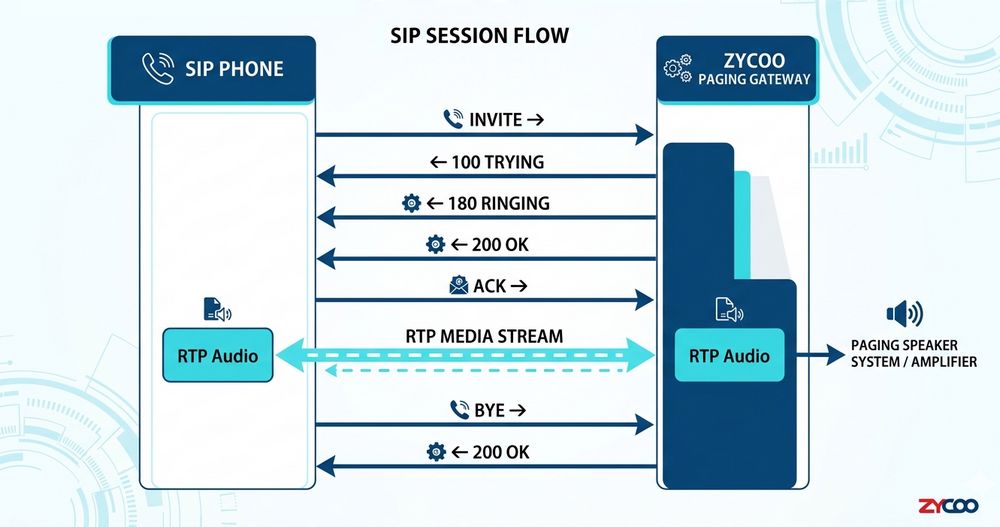
The Critical Distinction: SIP does not carry audio. It only coordinates sessions.
Once SIP has negotiated a call between two endpoints—establishing who is calling, confirming the destination accepts the session, and agreeing on media parameters—audio flows separately via RTP (Real-Time Transport Protocol). SIP's job is done at that point. This separation is exactly what makes SIP so composable across different systems.
What SIP can initiate:
- Voice calls between IP phones or softphones
- Paging broadcasts to specific zones of network speakers
- Intercom sessions between entry stations and reception
- Emergency alerts routed through a PBX dial plan
- Background music streams to IP audio zones
SIP is also an open, IETF-standardized protocol, and no vendor owns it. It means a SIP phone from one manufacturer can register to a PBX from another, a paging gateway from a third, and a SIP trunk from a fourth without custom integration work between any of them. The protocol itself is the integration layer.
How SIP Fits Into a UC System Architecture
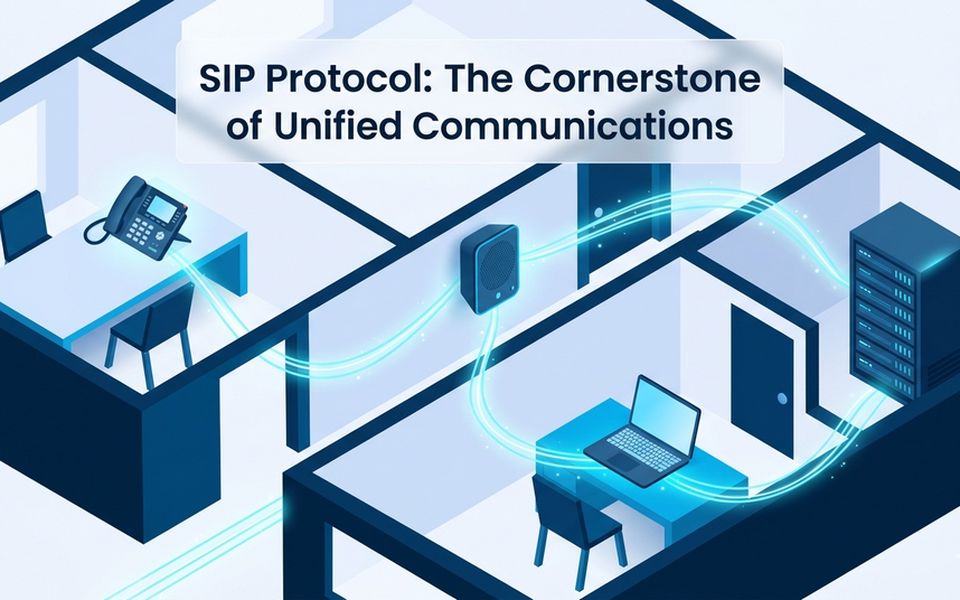
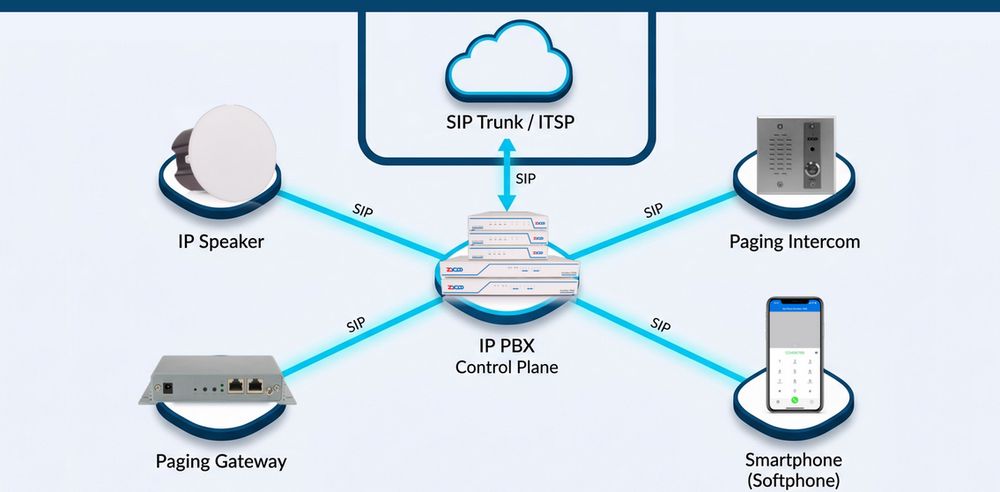
In a unified communications environment, SIP functions as the shared signaling layer across all communication types. Rather than requiring subsystems, like phones, paging, intercoms, and broadcasting, to understand each other's proprietary interfaces, all of them simply need to "speak SIP". Then, the PBX becomes the routing intelligence, and SIP becomes the common language every endpoint uses to register, initiate sessions, and terminate them.
A typical enterprise UC stack built on SIP includes:
- IP PBX: The call controller managing extensions, routing rules, and dial plans, and connecting to the PSTN via SIP trunks.
- SIP phones and softphones: User endpoints. Register to the IP PBX and behave as extensions.
- SIP trunk: The IP connection to a carrier, replacing analog or ISDN lines. Scales capacity through bandwidth, not physical ports.
- SIP paging gateways, intercoms, and IP speakers: Register as extensions. Receive SIP sessions from the PBX and distribute audio to physical zones.
- IP audio servers: Manage background music, scheduled announcements, and priority-based interruptions all triggered via SIP sessions.
The practical implication: when a user dials a paging extension from their IP phone, the PBX routes a SIP INVITE to the paging gateway the same way it would route a call to another phone. The gateway accepts the session, and the audio distribution logic (which zones receive the broadcast, at what priority, and whether it preempts background music) is handled at the application layer within the paging system. SIP only opens the door.
SIP in Practice: Trunking, Paging, and Emergency Broadcasting
SIP Trunking
SIP trunking replaces physical PSTN connections (analog lines, T1/E1 circuits, ISDN PRIs) with an IP-based connection to a service provider. Capacity is no longer measured in ports or cards. It is measured in concurrent call sessions, which scale with available bandwidth and SIP trunk configuration.
For multi-site enterprises, this matters considerably. Rather than provisioning dedicated trunks at each location, an SIP trunk can centralize PSTN access at the head office and distribute it across branches via the internal IP network. Call routing, failover, and capacity management all happen in software, not hardware.
Common deployment considerations for SIP trunking:
- NAT traversal: SIP signaling and RTP media must correctly reach external carrier endpoints through firewalls.
- Codec negotiation: The PBX and carrier must agree on audio encoding (G.711, G.729, Opus, etc.)
- Registration and authentication: Carrier SIP trunks typically require digest authentication per RFC 3261.
- Failover: Redundant SIP trunks or PSTN fallback via analog gateway for critical sites.
SIP Paging
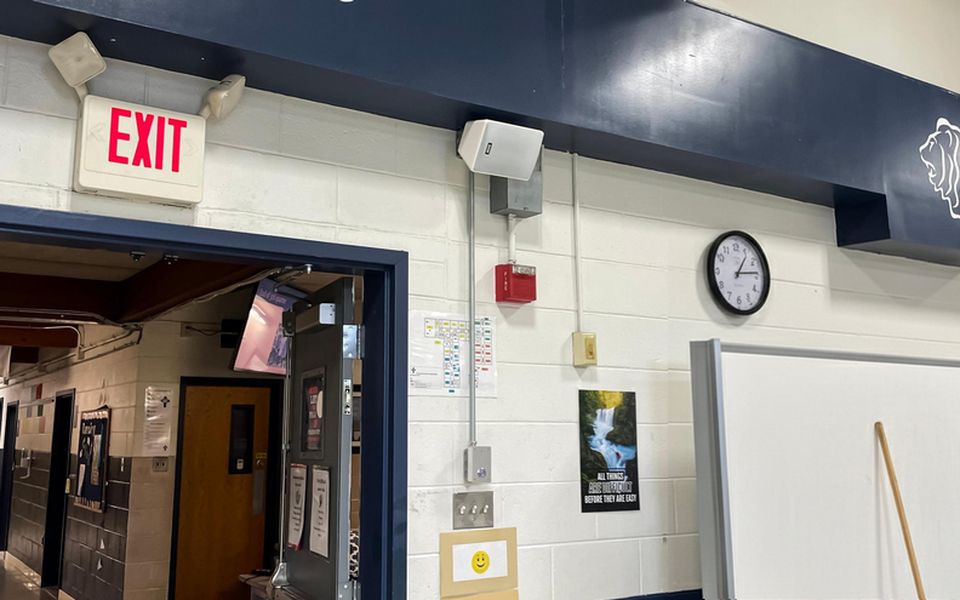
In a legacy environment, paging is a separate infrastructure: dedicated amplifiers, a head-end paging controller, analog wiring to speakers, and a completely separate interface to initiate broadcasts. Linking that system to telephony typically required proprietary bridging hardware.
In an SIP-based environment, a paging gateway registers to the PBX as a standard SIP extension. It has an extension number like any phone. When a call arrives from a user dialing that extension, an automated schedule, or an emergency trigger in the dial plan, the gateway accepts the SIP session and activates the associated audio zones.
From the PBX's perspective, it initiated a call. From the paging system's perspective, it received a session and distributed audio accordingly. SIP coordinated the handoff. The two systems never needed to understand each other beyond that common protocol.
This also means paging zones can be dialed directly from IP phones, triggered by automated schedules in the PBX, activated via emergency buttons wired to SIP ATAs, or initiated from any SIP endpoint without a separate paging controller console.
Emergency Broadcasting
Emergency alerting in SIP-based systems benefits from the same architectural principle. An emergency alert trigger from a pull station, a duress button, an integration with an access control system, or a mass notification platform can initiate a SIP session to a ZYCOO paging gateway or audio server. That session activates a pre-configured emergency broadcast across all defined zones, overriding any active audio at a higher priority.
Because the trigger uses SIP, it can originate from any SIP-capable source: the PBX itself, a dedicated notification server, or an integrated safety platform. No proprietary emergency broadcasting head-end is required.
Why SIP-Based Architecture Reduces Cost and Complexity
The business case for SIP architecture comes down to three structural advantages that compound over the life of a system:
Infrastructure Consolidation
Traditional enterprise communications required separate physical infrastructure for telephony, paging, intercom, and broadcasting—separate controllers, separate wiring schemes, and separate vendor relationships. SIP collapses these into a single IP network infrastructure. Devices register over the LAN. Configuration happens in software. New endpoints are added by provisioning, not by running cable to a new analog head-end.
Scalable Expansion Without Architectural Rebuilds
Adding a new building, a new paging zone, or a new site to a SIP-based UC system means adding SIP-compliant endpoints and configuring them in the dial plan. The architecture does not change. In contrast, expanding a legacy system often requires buying additional capacity at the controller level, which is a fixed cost regardless of how many endpoints you add.
For organizations that grow in phases, like an initial deployment, then additional floors, then a second campus, this distinction has significant long-term budget implications.
Vendor Independence
As stated previously, SIP is an open standard. Device selection is based on capability and fit rather than ecosystem compatibility. A ZYCOO IP PBX interoperates with SIP phones from Yealink, Polycom, or Cisco. ZYCOO paging gateways register to third-party PBX platforms, including Asterisk, FreePBX, 3CX, and Cisco. SIP trunk providers can be changed without touching internal equipment.
This does not mean all SIP implementations behave identically. Feature sets, codec support, and handling of edge cases like mid-call re-INVITE vary across vendors. But the baseline signaling interoperability that SIP guarantees eliminates the hard lock-in of proprietary systems.
The structural differences become clearer in a side-by-side comparison:
Dimension | Traditional PBX + Separate Paging | SIP-Based UC Architecture |
|---|---|---|
Capacity expansion | New hardware, cards, or controllers required | Bandwidth and software configuration only |
Adding a new site | Dedicated wiring, gateways, and hardware per site | Register new SIP endpoints over the network |
Integration complexity | Custom/proprietary interfaces for each system | Standard SIP registration for all devices |
Paging and telephony | Separate systems, separate controllers | Unified signaling layer (same SIP fabric) |
Emergency broadcasting | Standalone controller, often proprietary | Triggered through PBX dial plan via SIP |
Vendor flexibility | Often locked to one vendor's ecosystem | Any SIP-compliant device interoperates |
Long-term maintenance | Expensive (multiple vendors, contracts, wiring) | Simplified (one architecture, one protocol) |
How ZYCOO Products Operate Within This Architecture
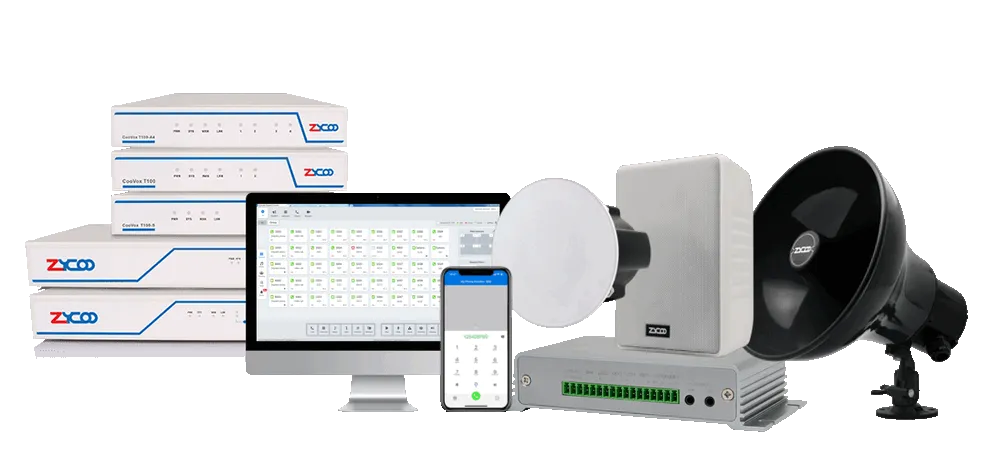
ZYCOO designs its IP telephony and IP audio product line to behave as native SIP endpoints. The CooVox IP PBX series, ZYCOO paging gateways, network speakers, intercoms, and IP audio servers all register, respond to SIP INVITE, and terminate sessions in compliance with RFC 3261. From any third-party PBX, a ZYCOO paging gateway is indistinguishable from a SIP extension.
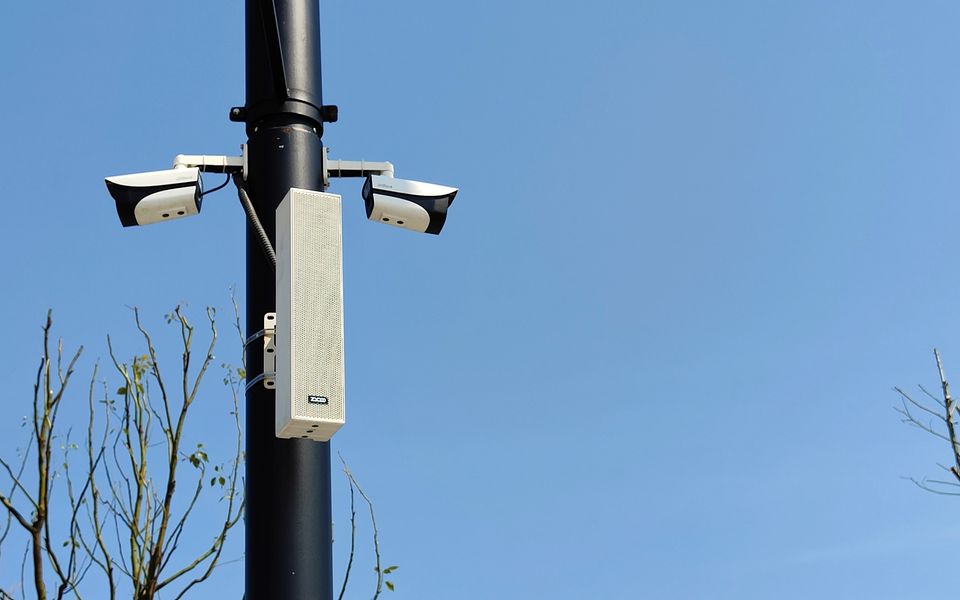
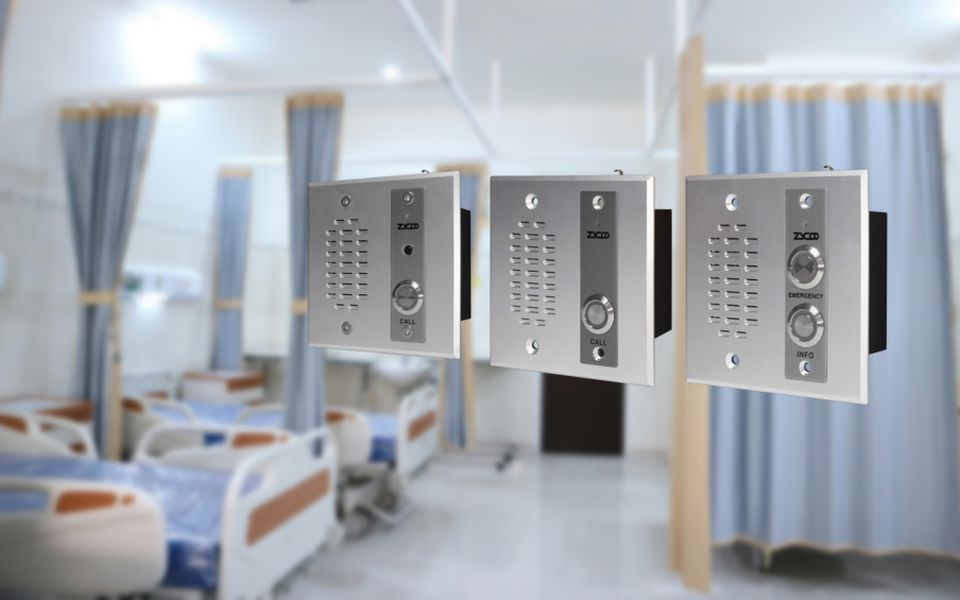
This matters most in mixed-vendor environments, which describe the majority of real enterprise deployments. A hospital running third-party CUCM for telephony can deploy ZYCOO paging gateways and network speakers for overhead broadcasting without any middleware or protocol translation. An education campus using others' PBX can add ZYCOO IP audio zones, building by building, as budget allows, because each zone is just another SIP registration.
When a project grows over time, adding emergency broadcasting, then background music, then integration with a door access system, the ZYCOO architecture does not require a design change. New functionality is added as new SIP endpoints and new dial plan entries. The signaling model stays the same.
Conclusion
SIP builds one signaling layer and lets everything connect through it, making systems easier to expand, integrate, and maintain. It also shifts design thinking from hardware layout to network structure.
At ZYCOO, this model is considered a design baseline. IP telephony and IP audio products are designed to behave as native parts of the same UC system. Voice calls, paging, and broadcasting all live inside one signaling framework in the architecture.
If you are evaluating a SIP-based UC architecture for a specific project, contact us for a system design consultation.
FAQs
Q1. Is SIP the same as VoIP?
No. VoIP (Voice over IP) is the broad concept of transmitting voice over IP networks. SIP is one of the protocols used to set up and control those sessions. In modern enterprise UC deployments, SIP has become the dominant standard, but the two terms are not interchangeable.
Q2. Does SIP use TCP or UDP?
SIP supports both. UDP is common for internal LAN deployments where low overhead matters. TCP is used when reliability is required, particularly for larger SIP messages or traversal through certain firewalls. TLS over TCP (SIPS) is the recommended transport for any externally exposed SIP endpoint. Most enterprise PBX platforms support all three simultaneously.
Q3. Can ZYCOO paging gateways work with a third-party PBX?
Yes. ZYCOO paging gateways and network speakers register as standard SIP extensions to any SIP-compliant PBX. No custom middleware is required. ZYCOO's pre-sales team can validate compatibility for your specific PBX environment before deployment.
Q4. Does SIP handle paging zone management?
SIP handles session setup (initiating the broadcast and routing it to the correct paging gateway or audio server). Zone groupings, priority levels, preemption of background audio, and multi-zone distribution are configured within the ZYCOO paging application layer, not by SIP itself. SIP is the trigger; the paging system manages the output.
Q5. How does SIP interoperate with legacy analog paging infrastructure?
SIP analog telephone adapters (ATAs) and analog paging interface units can bridge SIP signaling to existing analog amplifiers and speaker circuits. ZYCOO offers hybrid gateway options for sites that need to retain legacy analog infrastructure while adding IP-based SIP control. This allows phased migration without a full rip-and-replace.